

Complete wear-component support
The difficult part is the complete route
Failure modes
Start with how the component is being damaged
Wear components should not all be sold with the same technical promise. A crane wheel tread, roller body, shaft journal, sleeve bore, and hard-faced surface can fail for different reasons, so the repair or replacement route should begin with the visible damage pattern.
Abrasive wear
Material loss from sliding contact may require harder surfaces, grinding control, cladding, or a different surface finish.
Impact and fatigue
Cracks, pitting, spalling, or repeated shock damage may point to toughness, case depth, transition zone, or load-path problems.
Fit loss
Worn bores, journals, shoulders, keyways, and bearing seats can create vibration, misalignment, and secondary damage.
Heat or corrosion
Temperature, scale, coolant, water, or chemical exposure can influence material choice, coating, and inspection scope.
Decision points
When to manufacture, repair, or redesign
Reuse base part
If the core remains sound, BRUVAL can focus work on worn surfaces, interfaces, and final geometry.
Produce new
If cracking, deformation, or missing material makes repair risky, a new part can be planned from drawing or reverse-engineered evidence.
Upgrade surface
Hard-facing, heat treatment, coating, or finish grinding can be selected for the specific contact zone instead of the whole component.
Improve records
Serial marking and inspection reports make future repeat orders, reconditioning decisions, and maintenance planning easier.
Plan shutdown
The chosen route must fit the maintenance window, available drawings, critical spare strategy, and risk of line stoppage.
Inquiry data
What helps BRUVAL choose the right wear route
- Photos of the complete component, worn areas, mounting interfaces, and any serial or material markings
- Drawing, sketch, measured dimensions, approximate weight, and quantity needed
- Operating context: load, speed, temperature, media, sliding contact, impact, or rotation
- Observed failure mode: abrasive wear, pitting, cracking, deformation, corrosion, fit loss, or repeated bearing damage
- Material grade, hardness target, coating, hard-facing, heat treatment, or surface-finish requirements if known
- Shutdown window, urgency, inspection requirements, and whether the goal is new production, repair, or repeat supply
Route examples
How BRUVAL supports wear-component projects
New part
Manufacture from drawing with material selection, machining, heat treatment, finish grinding, and final inspection.
Replacement part
Use the worn component, rail or machine interface, and available measurements to confirm fit and route.
Reconditioned part
Repair or upgrade the worn surface with machining, welding, hard-facing, heat treatment, and final geometry work.
Record pack
Deliver the component with the documentation needed to trust it: material, process, hardness, NDT, dimensions, and serial ID.
Product families
Wear-component families
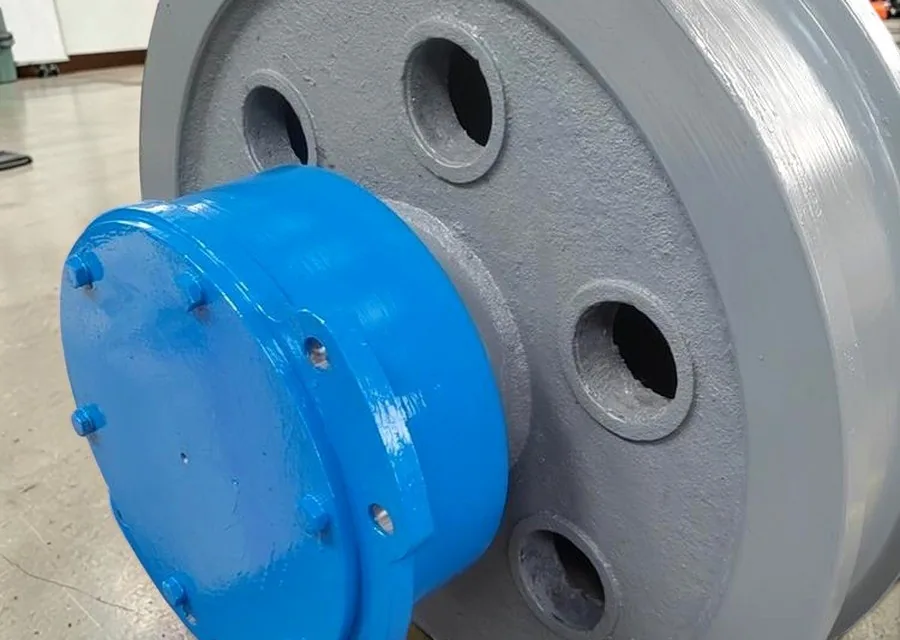
Crane systems
Crane wheels
High-hardness tread, controlled case depth, finish grinding, inspection, and serial-linked records.
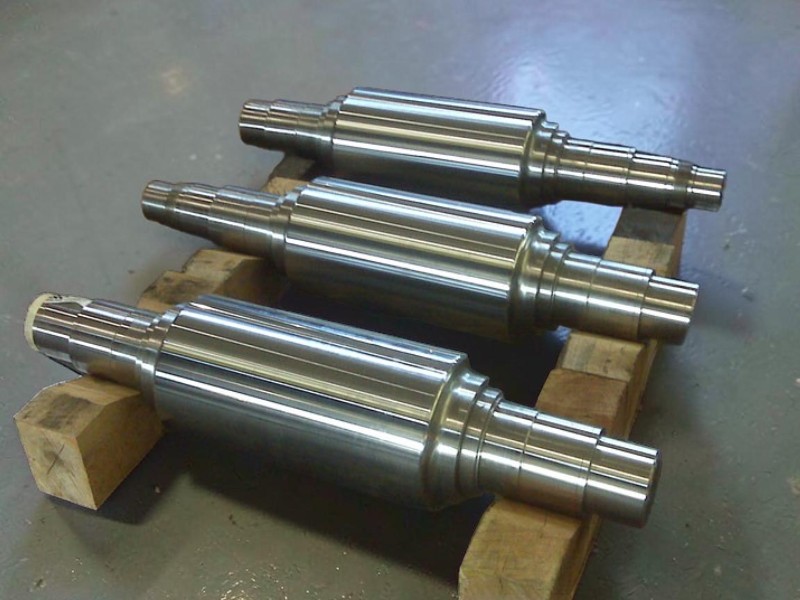
Steel production
Rolling mill rolls
Roll production and reconditioning for lines where surface condition and geometry affect uptime.
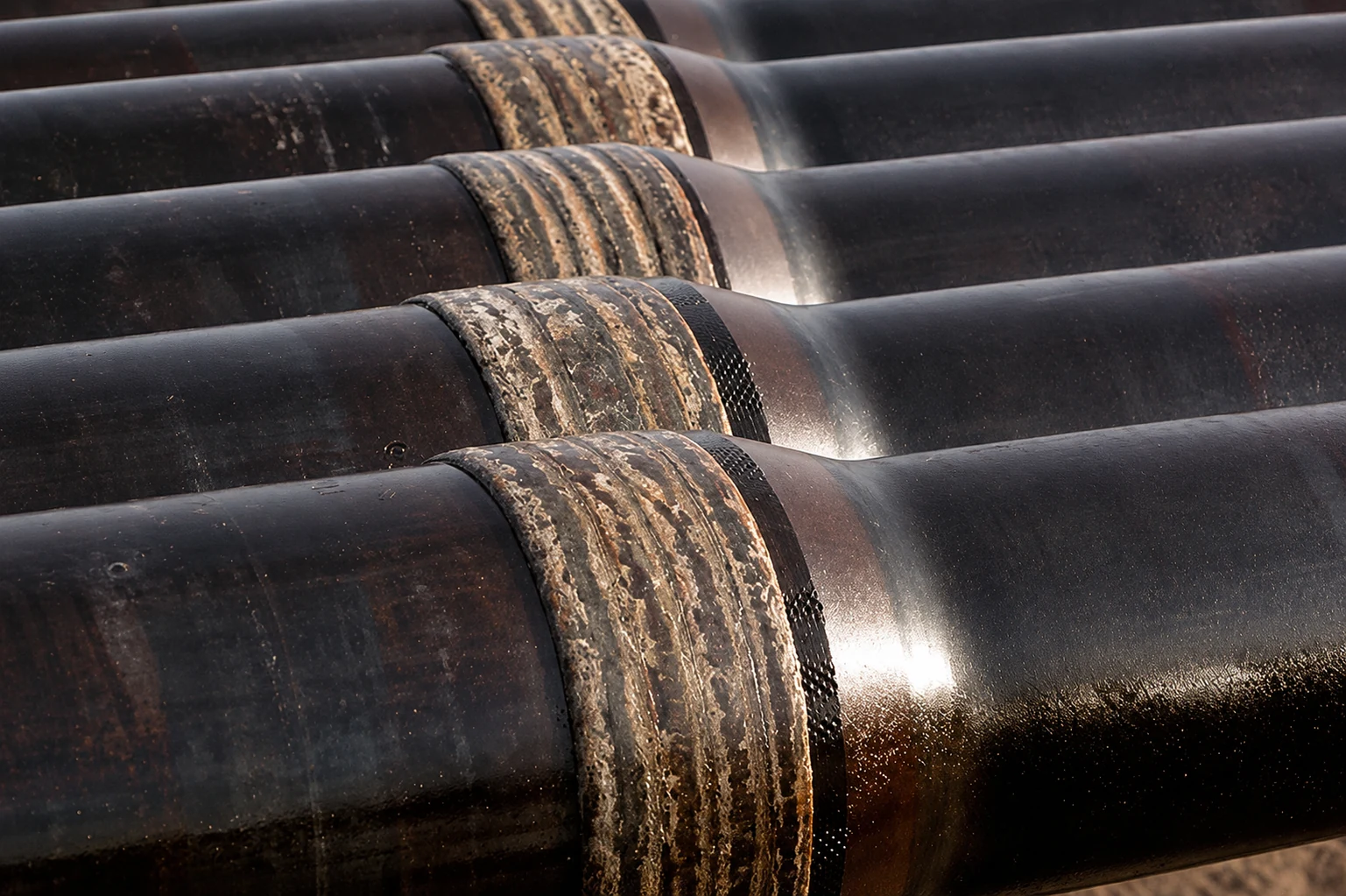
Reconditioning
Hard-faced parts
Restore worn surfaces or upgrade new parts with 0.5-6 mm hard-facing layers where required.
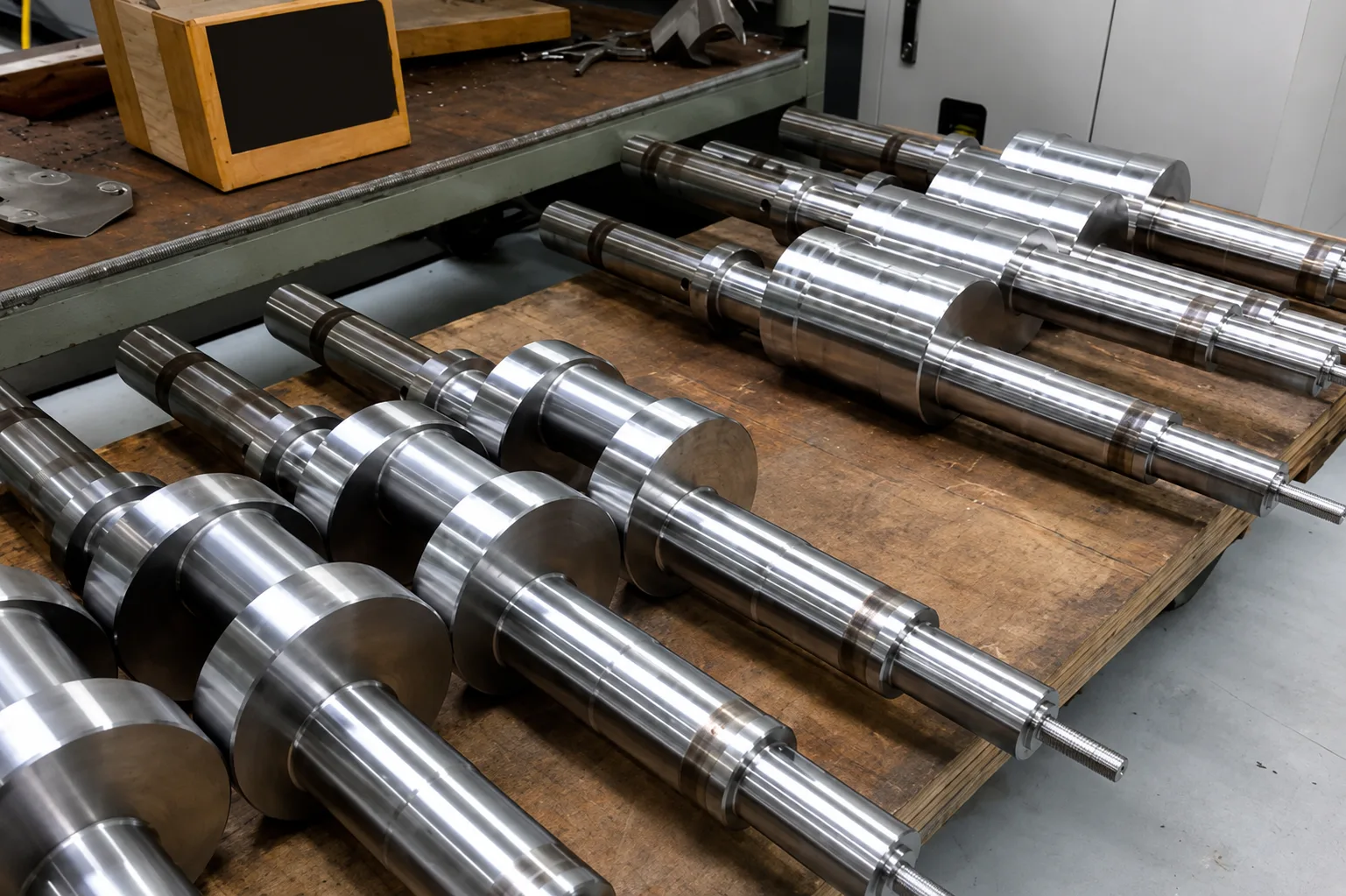
Heavy mechanics
Shafts, rollers, sleeves
Large-format turning, grinding, heat treatment, and inspection for rotating or guided heavy parts.
Wear component request
Send drawings, wear photos, material data, and operating conditions.
BRUVAL can review whether the best route is new manufacturing, reconditioning, hard-facing, heat treatment, grinding, or reverse engineering.